
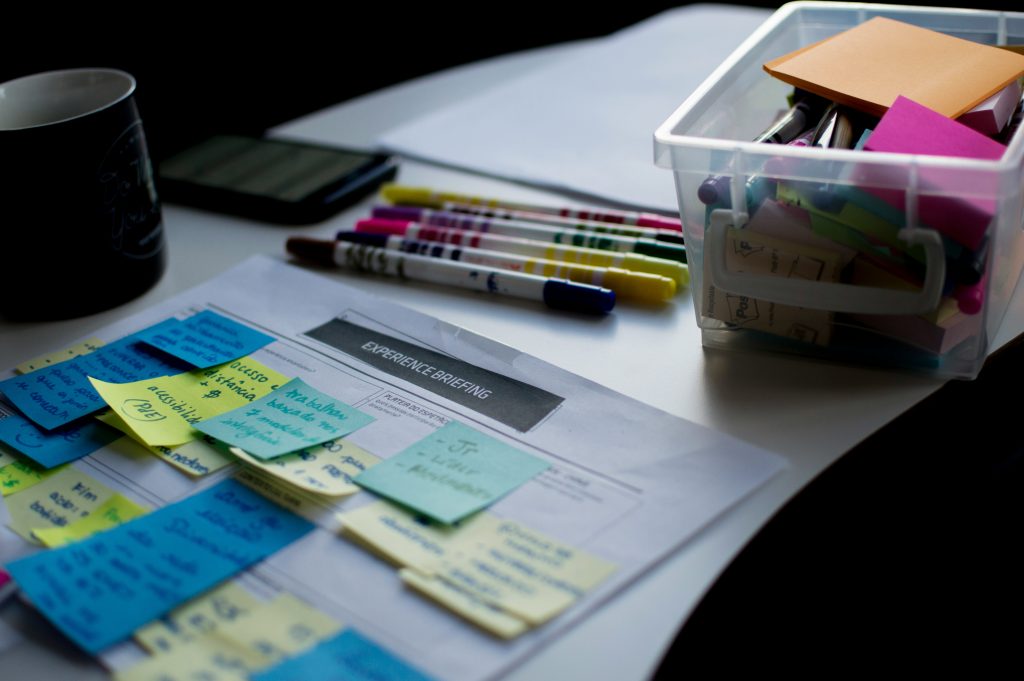
Every decision you make during pre-production directly impacts the final product.
Planning a video shoot that runs smoothly from start to finish takes more than simply picking up a camera and hitting “record.” If your project happens to be based in a dynamic and visually diverse city like Las Vegas, strategic planning becomes even more essential.
From scheduling around the city’s energy to securing the right locations, crews, and permits, understanding how to plan a video shoot the right way can make all the difference.
This guide walks you through the entire process: from defining your purpose to executing the shoot while highlighting must-know accessibility considerations, creative development, logistics, and post-production planning. Throughout the article, you’ll also find insights from related BLARE Media resources that help you refine your video strategy, improve quality, and adapt your content for a wide range of platforms and audiences.
Start With a Clear Video Objective
Everything begins with purpose, and a video brief. Before you write a script, scout a location, or assemble a crew, you need to know why you’re creating this video and who it’s meant to reach which can all be outlined in your video brief.
This foundational step becomes especially important when planning a video shoot in a unique production landscape like Las Vegas, where the environment itself plays an active role in your story.
When creating a video brief start by asking what you want viewers to think, feel, or do after watching the video. Are you trying to increase brand awareness, showcase customer stories, attract event attendees, or promote a new service? A well-defined objective sets the tone for the entire production and ensures that every creative decision supports your goals. Audience identification is equally important: knowing who you’re speaking to helps you shape the story, tone, format, and even pacing.
If you’re still refining your video strategy, consider How the Customer Journey Influences Video Content to help aligning video objectives with the needs of your audience.
Develop a Strong Creative Concept
Once you’ve established your purpose, it’s time to shape the creative concept. This is when ideas evolve into a cohesive vision. Whether you’re envisioning a sleek corporate style, a cinematic documentary feel, or something humorous and fast-paced for social media, the concept should consistently support your message and connect with your target audience.
In a city like Las Vegas, your creative approach may also be influenced by your surroundings. Do you want to incorporate iconic Strip views, desert landscapes, or upscale modern interiors? Or are you looking for something more subtle and location-agnostic? Creative flexibility allows you to take advantage of the wide variety of environments Las Vegas offers while staying true to the heart of your story.
For inspiration on different stylistic directions, explore Different Styles of Corporate Videos to consider what best fits your brand and goals.
Write Your Script and Build a Storyboard
After you’ve developed your creative concept, the next step is crafting a script that brings your idea to life. A strong script shapes voice, pacing, and structure, functioning as the backbone of your video. Whether you’re producing a 30-second commercial or a 10-minute branded documentary, the clarity of your script significantly affects how efficiently you can film it.
From there, storyboards turn your script into a visual blueprint. These illustrated frames help you map out the exact shots you need, show how scenes will flow, and identify any creative or technical challenges early. In fast-paced environments like Las Vegas, where lighting conditions can change dramatically and crowds may influence timing, storyboards provide the clarity necessary for efficient shooting.
For deeper guidance, BLARE Media offers two essential resources:
• How to Write a Compelling Video Script
• How to Create an Effective Video Brief
Together, these guides help streamline your messaging and visual planning.
Plan Your Production Logistics
Logistics are where ideas become executable reality. This phase includes scheduling, budgeting, obtaining permits, casting talent, and securing locations. It’s important to factor in unique regional considerations such as heavy foot traffic, event schedules, and variable lighting conditions depending on time of day.
Begin by building a detailed production schedule. Outline every stage from setup and rehearsals to filming, interviews, and breakdown so your crew stays aligned and efficient. Your budget should account for equipment rentals, location fees, talent, transportation, and post-production work. When filming in Las Vegas specifically, don’t forget about permitting requirements, especially in public or high-profile locations.
Casting talent should match your video’s tone and audience expectations. Rehearsals may also be necessary to ensure consistent performance.
BLARE Media’s article on Common Mistakes in Corporate Video Production highlights logistical pitfalls that can derail even well-planned shoots.
Choose and Prepare Your Equipment
Every video shoot requires carefully selected gear tailored to your creative concept and production needs. Cameras, lenses, lighting, and audio equipment all play a vital role in how professional your final video looks and sounds. Las Vegas’ climate, lighting intensity, and sometimes unpredictable outdoor conditions make equipment preparation even more important.
Be sure to evaluate whether you need stabilizers for dynamic shots, lavalier microphones for interviews, or specialized lighting kits to balance challenging outdoor or indoor conditions. Backups are essential: extra batteries, SD cards, and microphones can prevent unexpected delays or reshoots. Always test everything the day before your shoot so you can address any technical issues early.
For more ways to increase production quality, consider reading Ways to Improve Video Quality.
Assemble Your Production Team
A strong production team is critical to a successful video shoot. Every role from director and cinematographer to gaffer, sound technician, and production assistant contributes to the quality and efficiency of your project. The larger the production, the more important it becomes to have clearly defined responsibilities and communication channels.
When planning how to plan a video shoot, consider working with a team familiar with the local industry. Location-savvy crews can navigate permitting, tourist-heavy zones, and climate conditions more effectively. They may also know hidden gems and unique indoor and outdoor spaces perfect for filming.
If you’re collaborating with editors remotely or after the shoot, BLARE Media’s article on How to Work With Video Editors can help you maintain a smooth and successful post-production collaboration.
Prioritize Accessibility in Your Planning
Accessibility should never be an afterthought, it’s an essential component of modern video production. From the earliest stages of planning, you should think through how your video will be experienced by viewers of all abilities. This not only broadens your audience but supports inclusivity and ensures your content meets accessibility standards.
One of the most effective ways to improve accessibility is by incorporating closed captions for audiences who are deaf or hard of hearing. Captions also benefit viewers in noisy environments or those watching with the sound off which is common behavior on social media platforms. To learn more about implementing them properly, see BLARE Media’s article on The Importance of Closed Captions in Videos.
Accessibility considerations can also include:
- Descriptive audio for visually impaired viewers
- High color contrast in graphics
- Readable text overlays
- Avoiding flashing lights that may trigger photosensitivity
Planning ahead ensures these features are seamlessly integrated rather than awkwardly added later.
Create a Final Pre-Shoot Checklist
As your shoot date approaches, a comprehensive pre-shoot checklist ensures everything is ready to go. This essential step minimizes stress and reduces the risk of avoidable issues on set. Review your script, shot list, equipment inventory, talent scheduling, and release forms. Confirm your locations, make sure your crew understands the production plan, and re-test your equipment one final time.
This checklist becomes especially valuable in time-sensitive environments where unexpected delays can compromise your schedule. A well-prepared team spends less time troubleshooting and more time capturing high-quality footage.
Shoot Day Best Practices
When the day finally arrives, preparation is your greatest ally. Begin early to account for setup time, lighting adjustments, and any last-minute script or storyboard changes. While following your shot list keeps production on track, you should remain flexible. Conditions can change quickly, and inspiration can strike when you least expect it.
One often overlooked element is b-roll, the supplemental footage that enhances storytelling and provides editors with valuable cutaway options. Capturing high-quality b-roll can dramatically elevate your final video. BLARE Media’s guide on The Importance of B-Roll in Video Production explains why it matters and how to get it right.
Communication is key throughout the day. Keeping your talent informed and your crew aligned ensures a smooth and productive shoot.
Plan for a Smooth Post-Production Workflow
Post-production is where your footage becomes a finished piece. This stage includes editing, color correction, sound design, music selection, and graphics. It’s also the phase where accessibility features are finalized.
A clear organizational workflow is essential. Label your footage, store files securely, and establish a review process so stakeholders can provide feedback efficiently. This stage is often where creative ideas come together, transforming raw footage into a cohesive, engaging narrative.
For additional support in post-production strategy, explore:
• How to Work With Video Editors
• How to Build a Showreel for future marketing efforts.
Optimize Distribution and Repurpose Your Content
Once your video is complete, it’s time to share it with the world. Effective distribution ensures your content reaches the right audience through the right channels. Whether you’re focusing on social platforms, corporate websites, email campaigns, or paid advertising, a clear distribution strategy increases your video’s impact.
Because each platform has unique video specifications and best practices, you may need to adapt your content accordingly. BLARE Media’s guides on Adapting Video Content for Different Platforms and How to Distribute Video Content Effectively provide actionable insights to help you maximize reach.
Additionally, repurposing your video content across various channels can extend its lifecycle and improve ROI. Learn more through How to Repurpose Existing Video Content.
Track, Measure, and Refine Your Video Strategy
Your work doesn’t end once your video goes live. Monitoring performance is essential for future improvement. Track metrics such as engagement, watch time, click-through rates, conversions, and audience retention. This data reveals how effectively your message resonates and where improvements can be made.
If you’re not sure what to track, BLARE Media’s article on How to Measure Video Marketing Success guides you through the key metrics to evaluate.
To improve viewer action following your video, consider incorporating insights from Video Call-to-Action Ideas, which can significantly increase conversions and engagement.
Conclusion
Learning how to plan a video shoot requires a blend of creativity, strategic thinking, and meticulous organization. From defining your objective and crafting a compelling concept to handling logistics, ensuring accessibility, and executing your shoot with precision, each step plays a vital role in the final outcome.
By prioritizing preparation, choosing the right team, and staying adaptive throughout the process, you can create polished, professional videos that captivate your audience and support your goals. Whether you’re producing a corporate piece, a commercial, or branded content, the insights and resources linked throughout this guide will help you refine your strategy and elevate your production quality.
For more information on video production in Las Vegas, explore BLARE Media’s dedicated page on Las Vegas Video Production.
