
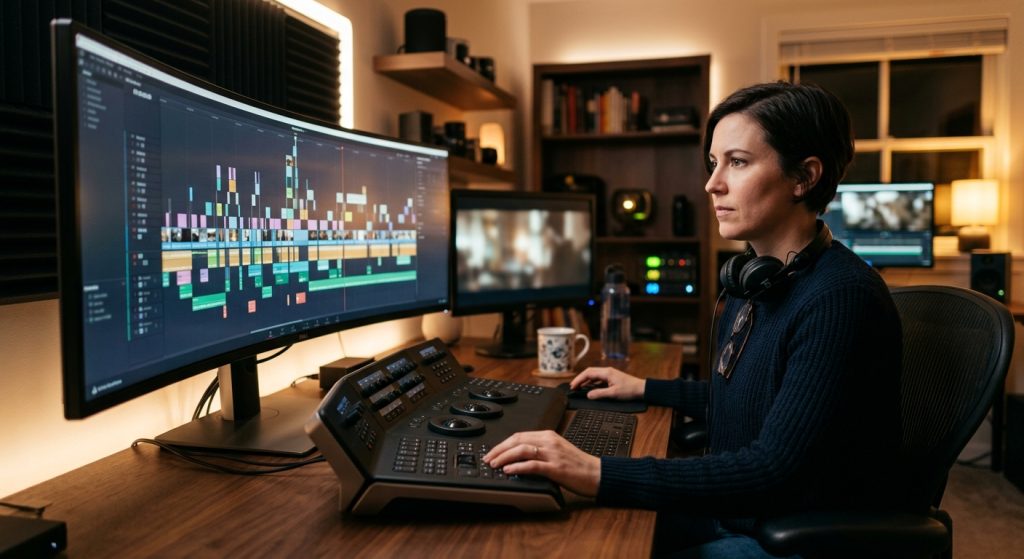
A client called us three years ago wanting a “quick two-minute brand video” for the homepage. We shot it, cut it, delivered it. Six months later they came back frustrated — nobody was finishing it. The bounce data showed most viewers dropped off at nineteen seconds. The video wasn’t bad. It was proof that choosing the right video length matters as much as anything else in the production.
That’s the part nobody tells you when you’re budgeting a shoot: length isn’t a creative afterthought you settle in the edit bay. It’s a decision that belongs at the top of pre-production, right next to your message and your audience. Choosing the right video length changes your shot list, your script, your budget, and honestly, whether the thing gets watched at all.
Why Length Gets Treated as an Afterthought
Most business owners think about video length backwards. They picture the finished product first — something polished, something that “tells the whole story” — and only ask how long it should be once the footage is already logged. By then you’re editing around a runtime instead of shooting for one.
We push clients to flip that order. Before a single light gets set up, we ask: where does this live, who’s watching it, and what do they need to do next? The answer to those three questions gives you a runtime before you ever pick up a camera. A recruiting video for a careers page can run four minutes because someone considering a job change will sit with it. A pre-roll ad has six seconds to earn permission to keep playing. Same company, same brand, wildly different math.
Choosing the Right Video Length Starts With the Platform
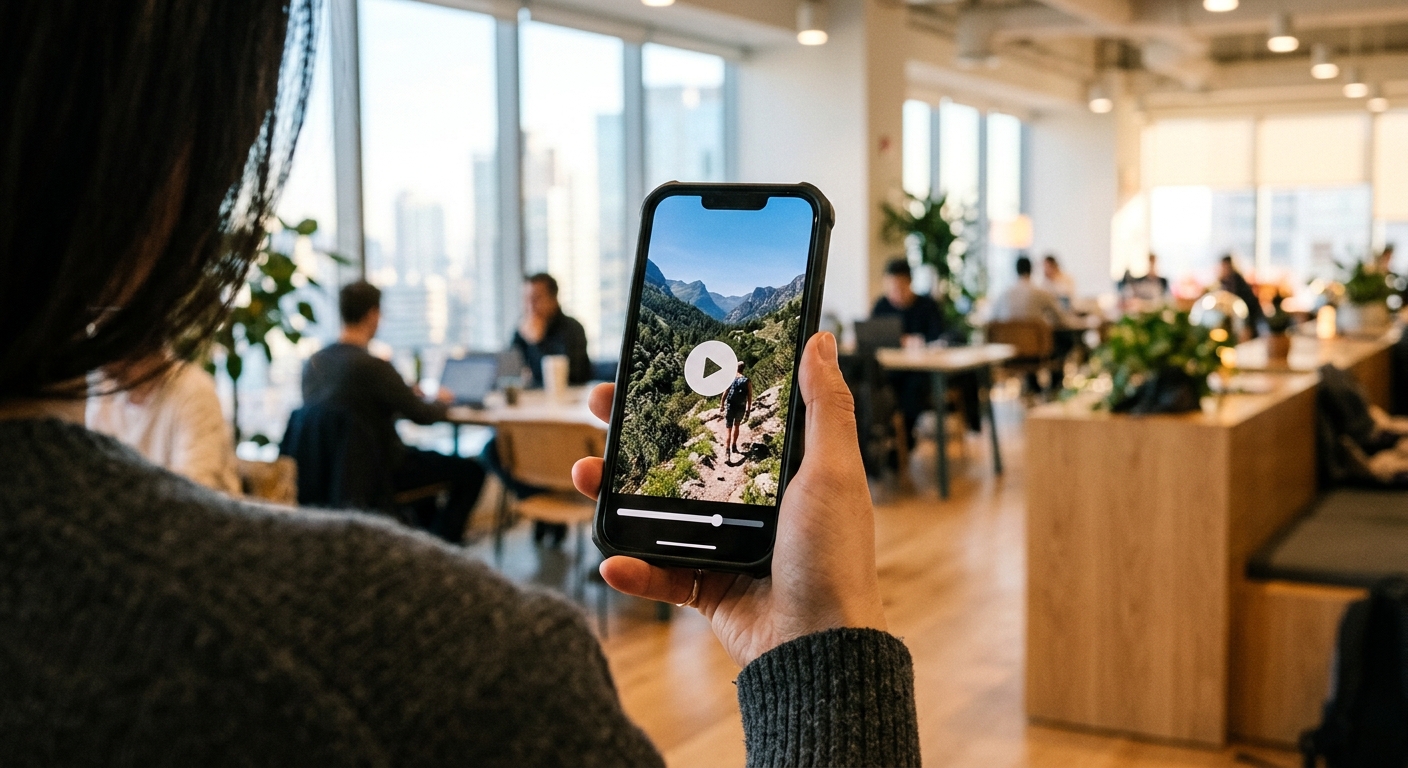
Here’s the mistake we see most often: a business shoots one “master” video and then just trims it down for every channel. It technically works, but it leaves performance on the table, because each platform trains its audience to expect a different pace.
Instagram Reels and TikTok reward a video that makes its point in the first three seconds — viewers there have been conditioned by an endless scroll to bail instantly if nothing grabs them. YouTube is the opposite environment. Someone who clicks a YouTube thumbnail has already opted into watching, so an 8-to-12 minute explainer or a 90-second product demo can hold attention just fine if the content earns it. LinkedIn sits in between — a 60-to-90 second video with captions on (because most people watch it muted on a train or in a meeting) tends to outperform anything longer. We wrote a longer breakdown on this in our piece on adapting video content for different platforms, which is worth a read before you lock your distribution plan.
The practical takeaway: budget for versioning, not for one video. A 90-second hero video, a 30-second cutdown, and a 6-second bumper aren’t three separate projects — they’re one shoot planned smartly, and it’s far cheaper to capture that flexibility on set than to reshoot later because your 2-minute video doesn’t work as a 15-second story ad.
Match Length to Where the Viewer Is in the Buying Decision
Length should also track intent. Someone seeing your brand for the first time on social media is not in the same headspace as someone who just requested a quote on your website. Treat those as the same audience and you’ll either bore the cold viewer or shortchange the warm one.
- Cold audience, first touch: 15–30 seconds. One idea, one feeling, one reason to keep watching your feed.
- Warm audience, considering you: 60–120 seconds. This is where testimonials, process explainers, and “how we work” videos live. Enough time to build trust, not so much that attention drifts.
- Bottom of funnel, ready to decide: 3–8 minutes is fine, sometimes longer. Case studies, detailed product walkthroughs, and founder Q&As belong here because the viewer already wants the detail.
This is also where a real creative brief earns its keep. When we sit down with a client, runtime is one of the first fields we lock in, alongside audience and objective — our guide on how to create an effective video brief walks through the exact questions we ask before a camera package gets reserved. Skip that step and you end up guessing at length halfway through the edit, which is the most expensive place to make that decision.
Short-Form and Long-Form Aren’t Competing Formats
We still get asked which is “better” — short punchy videos or longer in-depth ones. Wrong question. They do different jobs. A 20-second ad can’t carry the weight of a customer testimonial, and a 6-minute documentary-style piece will never work as a paid social ad. Businesses that grow fastest with video usually run both, deployed at the right point in the funnel rather than picking a lane. We broke this down in more detail in the differences between short and long-form video, including how we decide which format a given project actually calls for.
What We’ve Learned Producing for Every Length
After years of production work — everything from six-second bumpers to twenty-minute brand documentaries — a few patterns hold up regardless of client size or industry:
Shorter is not automatically safer. Clients sometimes ask for the shortest possible cut assuming it protects viewer attention. But a video that’s too short to make its point clearly gets skipped just as fast as one that overstays its welcome — it just fails silently instead of loudly. Length has to match the amount of story you actually have to tell, not just a target number.
The first three seconds do more work than the rest of the video combined. This holds true even for longer-form content. If your open is generic — a logo animation, a slow fade, stock drone footage of a city skyline — you lose people before your message starts, no matter how good minute two is.
Retention data should shape your next cut, not just your next opinion. If you have analytics on an existing video, look at where the drop-off happens before you shoot the next one. A steep drop at 0:08 tells you something different than a gradual decline starting at 1:30. We build this feedback loop into ongoing client relationships specifically because it turns guesswork into a repeatable process.
The Local Piece: Producing for Sacramento Audiences
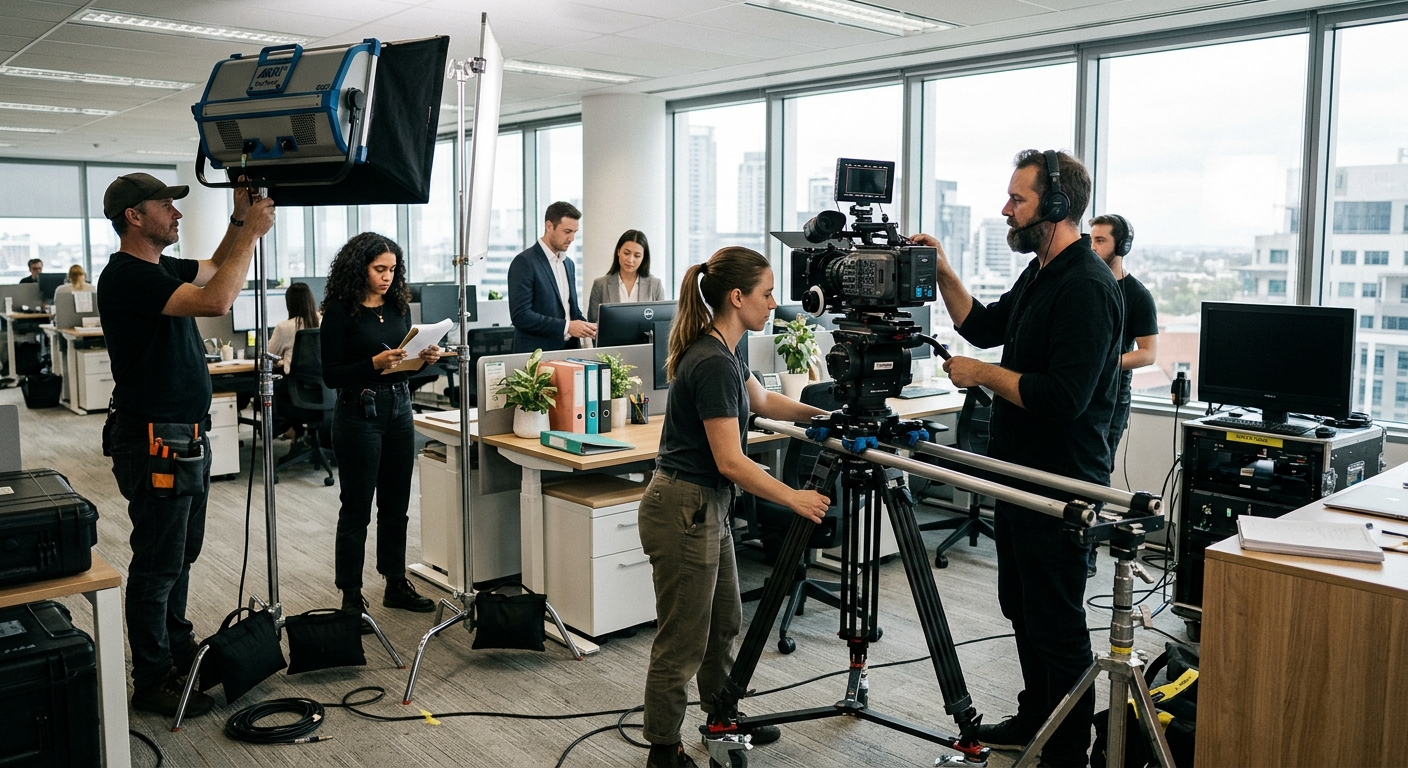
We shoot a lot of business video right here in the Central Valley, and Sacramento clients tend to have a specific instinct worth naming: they often want to say everything in one video, because the budget for a shoot feels like a bigger commitment than it needs to be. We get it. But a single 4-minute “does it all” video usually underperforms three shorter, purpose-built ones shot on the same production day.
When we plan a project out of our Sacramento video production studio, we build the shoot day around versioning from the start — vertical and horizontal formats, room for a short cutdown, coverage that supports a 15-second ad and a 90-second explainer without a second shoot. It costs a little more planning up front and saves a full production budget on the back end.
A Simple Framework You Can Use Today
If you’re staring down a video project and don’t know where to start on length, use this order of operations:
1. Name the platform first. Not “video for the website” — specifically, is this the homepage hero, a YouTube pre-roll, an Instagram Story, an email embed?
2. Name the viewer’s relationship to you. Cold, warm, or ready to buy changes your runtime target more than any creative preference.
3. Write the script to the runtime, not the other way around. A script written first and then trimmed always feels cut. A script written to a target length feels intentional.
4. Plan the shoot to cover multiple lengths. Extra b-roll and alternate takes cost little on the day and a lot if you have to schedule a reshoot.
5. Review performance and adjust. Your first cut at the right length is an educated guess. Your second one, informed by watch-time data, is a decision.
None of this requires expensive gear or a massive crew. It requires planning the runtime as deliberately as you plan the message — something our team handles as part of every project scope. If you want a second set of eyes on a script or a shoot plan before you commit to a length, our video production services page outlines how we structure that process from first call to final delivery.
Video length is a business decision dressed up as a creative one. Get it right and the same footage that would have been ignored at the wrong runtime starts doing actual work for your company.
Frequently Asked Questions
How long should a business video be?
It depends on where it will be watched and how familiar the viewer is with your brand. Social ads targeting cold audiences work best at 15-30 seconds, consideration-stage videos run 60-120 seconds, and detailed case studies or explainers can run 3-8 minutes for viewers who already want the depth.
Is a shorter video always better for engagement?
No. A video that’s too short to make its point gets skipped just as often as one that runs too long — it just fails less visibly. Length should match how much story you actually have to tell and where the video will be placed, not a generic rule of thumb.
Should I make different video lengths for different platforms?
Yes. Instagram and TikTok audiences expect a hook in the first three seconds, YouTube viewers who click a thumbnail will sit through 8-12 minutes of content that earns it, and LinkedIn tends to reward 60-90 second videos with captions. Planning one shoot day to capture multiple cutdowns is far cheaper than reshooting for each platform later.
How do I decide on video length before shooting?
Lock the platform and the viewer’s relationship to your brand first, then write your script to that target runtime rather than shooting loosely and trimming afterward. This gets settled during the creative brief, before any equipment is booked.
Does video length affect production cost?
It affects planning more than it affects raw cost per minute. Shooting extra b-roll and alternate takes to support a 15-second cutdown alongside a 90-second hero video costs relatively little on the day, but going back for a reshoot because your footage doesn’t fit a shorter format costs a full production budget.
