
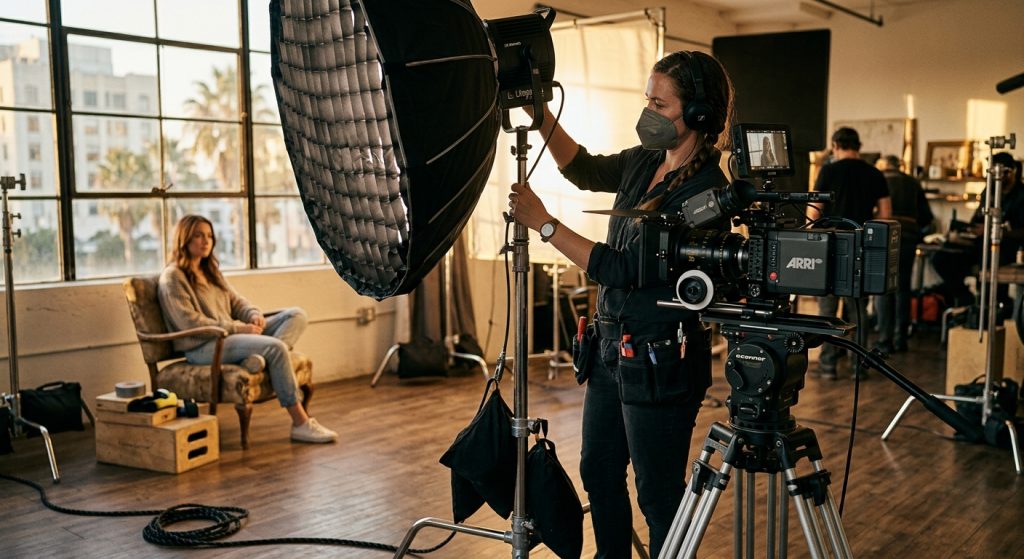
Somewhere around year three of running video jobs in this city, I stopped asking clients “what do you want to make” and started asking “what do you want people to feel when it’s over.” That question is the entire difference between a commercial and a brand film. One sells the drill. The other sells the reason you’d trust the company that made it.
A brand film is a story-driven video built around who a company is, not what it’s selling in that quarter. No hard call-to-action banner. No “call now.” Just a narrative — often three to five minutes, sometimes longer — that puts your values, your people, or your customers’ transformation on screen and lets the audience draw their own conclusion about whether you’re worth their business. If you’ve ever watched a Patagonia film and realized twenty minutes later you never saw a product shot, that’s the format working exactly as intended.
Brand Film vs. Commercial: Why the Confusion Costs You Money
I get this call at least twice a month: a founder wants “a commercial” but describes something that runs four minutes, has no offer, and is meant to live on the homepage for the next three years. That’s not a commercial. A commercial is 15 to 60 seconds, built for a media buy, and dead the moment the campaign ends. A brand film has no expiration date built in — it’s designed to answer “why should I trust you” rather than “why should I buy today.”
Mixing the two up is the single most expensive mistake I see in this business. Clients pay commercial rates expecting brand-film depth, or they commission a brand film and then get frustrated it doesn’t move product the way a 15-second pre-roll spot would. They’re different tools solving different problems. We break this distinction down in more detail in our complete guide to brand video production, but the short version: if you need someone to act this week, shoot a commercial. If you need someone to remember and trust you a year from now, shoot a brand film.
What a Brand Film Costs in Los Angeles
Budget is where every one of these conversations eventually lands, so let’s be direct about it. A professionally produced brand film in this market typically runs $15,000 to $50,000, and ambitious concepts with named talent, multiple locations, or a bigger crew can push past that. The number isn’t really driven by runtime — a three-minute film and a ninety-second film can cost nearly the same because the cost driver is craft, not length. A brand film borrows the tools of narrative filmmaking: blocking, lighting design, a real script, sometimes a director of photography who’s shot actual short films. That takes time whether the final cut is ninety seconds or five minutes.
As a rough budget split, expect pre-production (concept, script, location scouting, casting) to eat 15-25% of the total, the shoot itself 40-55%, and post-production — editing, color, sound design, music licensing — the remaining 25-35%. If a bid you’re comparing skips straight from “we’ll shoot it” to a number with no line items, ask what’s actually in there. Our services page breaks down what a full production budget covers so you’re not guessing.
Companies working with us in Los Angeles specifically get an added cost advantage most cities can’t offer: crew, gear rental houses, and locations are all local, which cuts the travel and per diem lines that inflate out-of-market bids. If you haven’t already, it’s worth reading through our overview of Los Angeles video production to see how the local production ecosystem factors into pricing here specifically.
How Long a Brand Film Actually Takes to Make
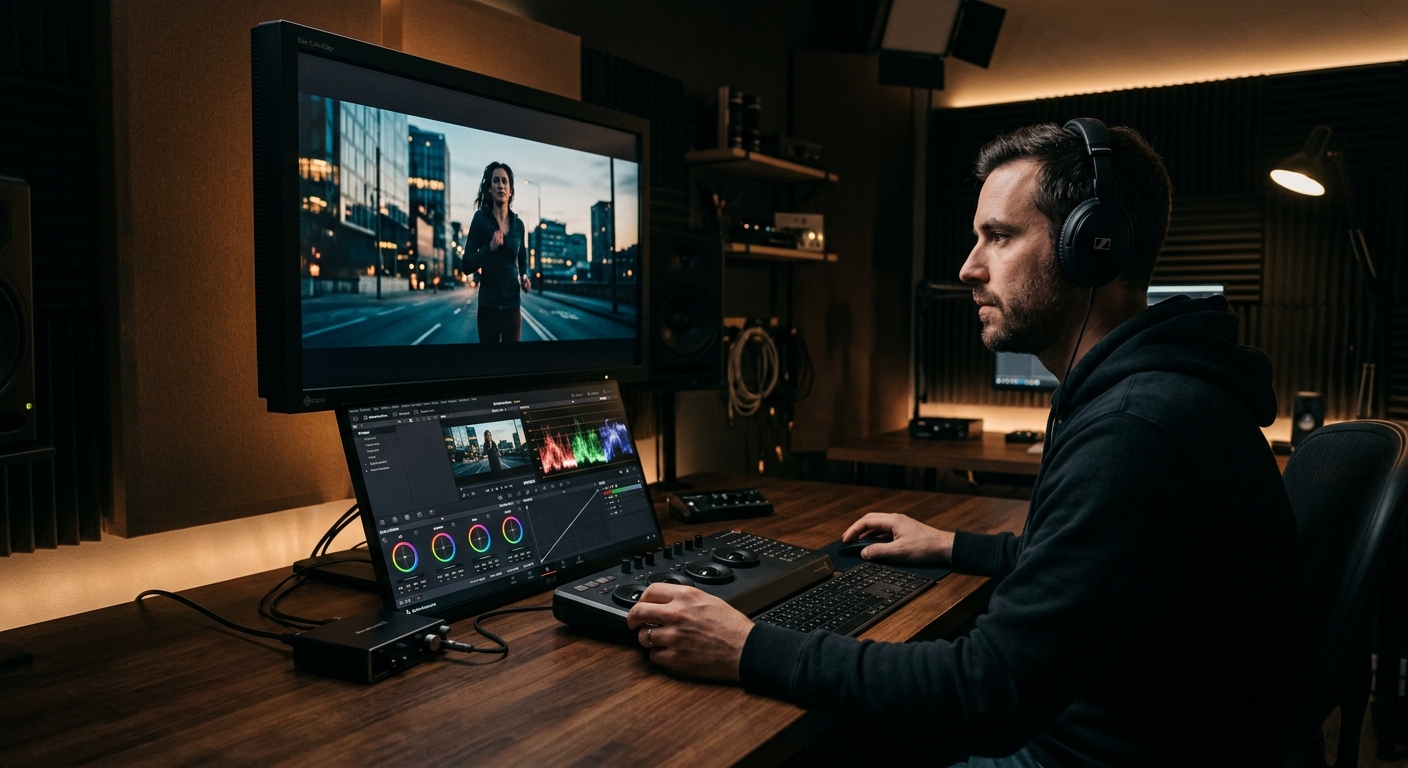
Plan on six to ten weeks from kickoff to delivered file, and don’t let anyone tell you it’s faster without cutting a corner somewhere. Pre-production — the concept, the script, casting, locations, permits — takes about two weeks minimum. The shoot itself is usually one to three days, which surprises people who assume a five-minute film needs a five-day shoot. It doesn’t; it needs careful planning so those days are used well. Post-production is where the real time goes: four to six weeks for editing, color grading, sound design, and licensing music that won’t get your video muted on every platform it lands on.
If a production company promises you a finished brand film in two weeks, ask what they’re skipping. Usually it’s the script development or the color pass, and both show up on screen.
The Anatomy of a Brand Film That Works
The single most common mistake I see in a first-draft brand film script is opening with the company. Nobody cares about your logo in the first five seconds — they care about a situation they recognize. The films that actually get shared and remembered follow a simple shape: tension, turning point, resolution. Show the problem or the world before your brand mattered, let your brand or your people enter as the turning point, then land on the resolution — the emotional payoff, not a sales pitch.
That’s also why humor and specificity beat polish. A brand film full of stock-photo smiles and vague mission language reads as filler; one built around a real employee, a real customer, or a genuinely funny moment reads as honest. We’ve written before about how humor creates memorable brand videos — the short version is that specificity is what makes a story feel true, and truth is what makes people trust a company enough to hire it.
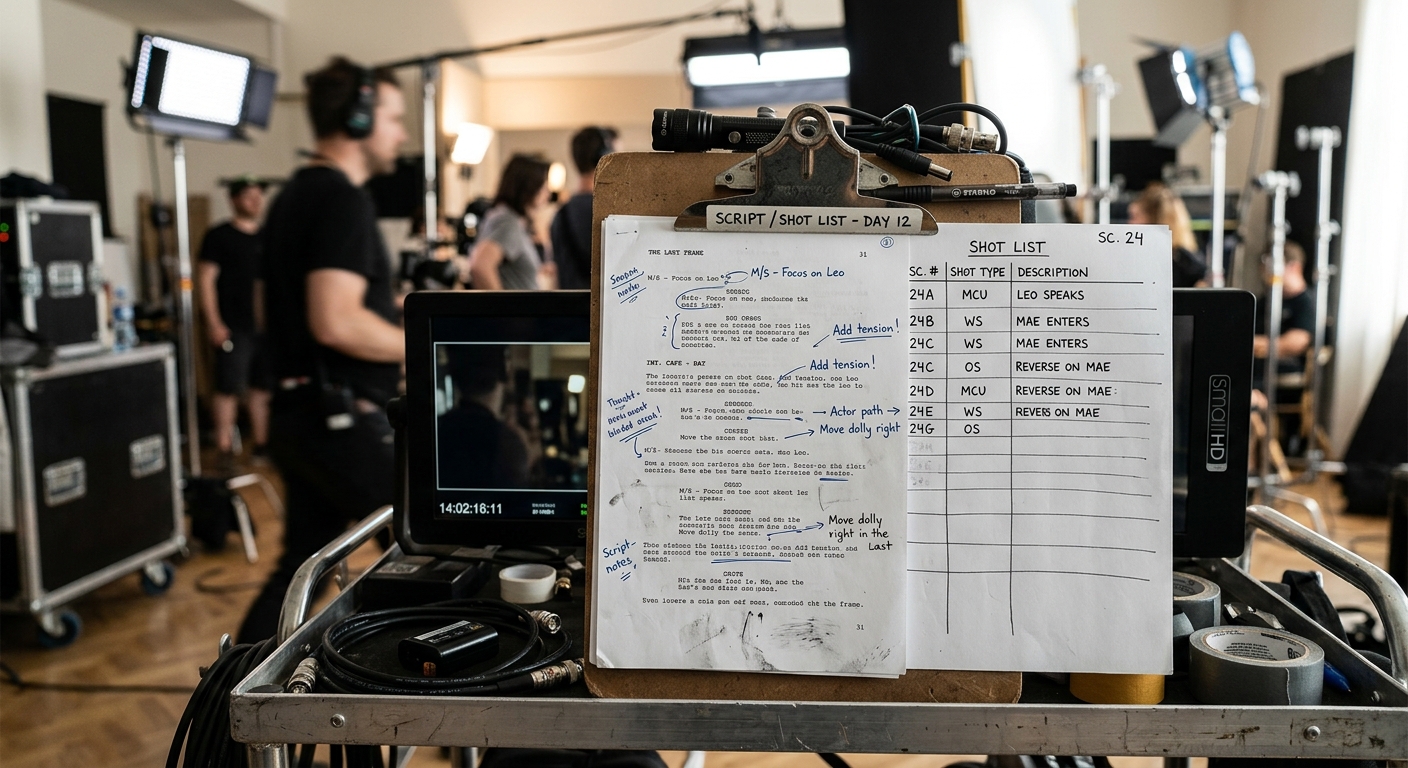
Production values matter here more than in almost any other video format, because the whole pitch of a brand film is “look how seriously this company takes its own story.” Lighting that looks like a short film, not a testimonial reel. Sound design, not just a music bed. A shot list built for pacing, not just coverage. If you want a deeper look at how we structure that kind of production locally, our high-profile brand video work in LA walks through a few of those decisions on real projects.
Where a Brand Film Actually Gets Used
A brand film’s job isn’t to run as a paid ad — though a cutdown of it might. Its natural home is your website’s homepage or about page, the top of a YouTube channel, an investor deck, a trade show loop, or the first thing a new hire watches on day one. It’s also the raw material for a season of shorter content: most brands we work with treat one keystone brand film as the source for eight to twelve shorter cuts distributed across social over the following months, rather than shooting new footage every time they need a 30-second clip.
That reuse is part of what justifies the higher upfront cost compared to a single commercial. A $30,000 brand film that seeds a full quarter of social content is a very different value proposition than a $30,000 spot that airs for six weeks and gets retired. If you’re trying to decide between the two formats for an upcoming launch, it’s worth reading how we think about connecting with an audience through brand video before locking in a budget — and if the piece you actually need is closer to a traditional spot, our breakdown of commercial video production in Los Angeles is the better starting point.
FAQ
How long should a brand film be?
Most run two to five minutes for a primary cut, with social edits trimmed down to 60-90 seconds. Homepage or campaign anthem films can run longer if the story earns it, but very few audiences sit through more than five minutes unless the pacing is tight.
Is a brand film worth it for a small business?
Yes, if you’re selling trust as much as a product — services, healthcare, professional firms, anything with a long sales cycle. If you’re moving a low-cost product fast, a commercial or product video will usually earn back its cost faster.
Do we need actors, or can we use real employees and customers?
Real people almost always outperform actors in this format. Brand films live or die on authenticity, and audiences can tell the difference between a hired smile and a genuine one within a few seconds.
Can one brand film be cut down for social media?
Yes, and it should be. A well-shot keystone brand film typically yields eight to twelve shorter social cuts, which is part of why the upfront production cost makes sense compared to shooting standalone social content repeatedly.
How is a brand film different from a corporate video?
A corporate video usually informs — culture, recruiting, internal training, investor updates. A brand film persuades through story. There’s overlap, but a corporate video can succeed without emotional narrative; a brand film can’t.
Frequently Asked Questions
How long should a brand film be?
Most run two to five minutes for a primary cut, with social edits trimmed down to 60-90 seconds. Homepage or campaign anthem films can run longer if the story earns it, but very few audiences sit through more than five minutes unless the pacing is tight.
Is a brand film worth it for a small business?
Yes, if you’re selling trust as much as a product — services, healthcare, professional firms, anything with a long sales cycle. If you’re moving a low-cost product fast, a commercial or product video will usually earn back its cost faster.
Do we need actors, or can we use real employees and customers?
Real people almost always outperform actors in this format. Brand films live or die on authenticity, and audiences can tell the difference between a hired smile and a genuine one within a few seconds.
Can one brand film be cut down for social media?
Yes, and it should be. A well-shot keystone brand film typically yields eight to twelve shorter social cuts, which is part of why the upfront production cost makes sense compared to shooting standalone social content repeatedly.
How is a brand film different from a corporate video?
A corporate video usually informs — culture, recruiting, internal training, investor updates. A brand film persuades through story. There’s overlap, but a corporate video can succeed without emotional narrative; a brand film can’t.
