
A restaurant owner called me last month holding two quotes side by side — $85,000 from one shop, $4,500 from another. Same brief. Same thirty seconds of airtime. He wanted to know which one was the scam. Neither was. That’s just how wide the range on a 30 second commercial cost can get, and until you know what’s actually driving the gap, you can’t tell a fair price from a rip-off or a bargain from a corner cut.
I’ve produced spots on both ends of that range, plus everything in between, and the honest answer is that “how much does a 30 second commercial cost” doesn’t have one number attached to it. It has a formula. Once you understand the formula, you can build a budget that fits your business instead of copying whatever a competitor spent.
What Actually Drives a 30 Second Commercial Cost
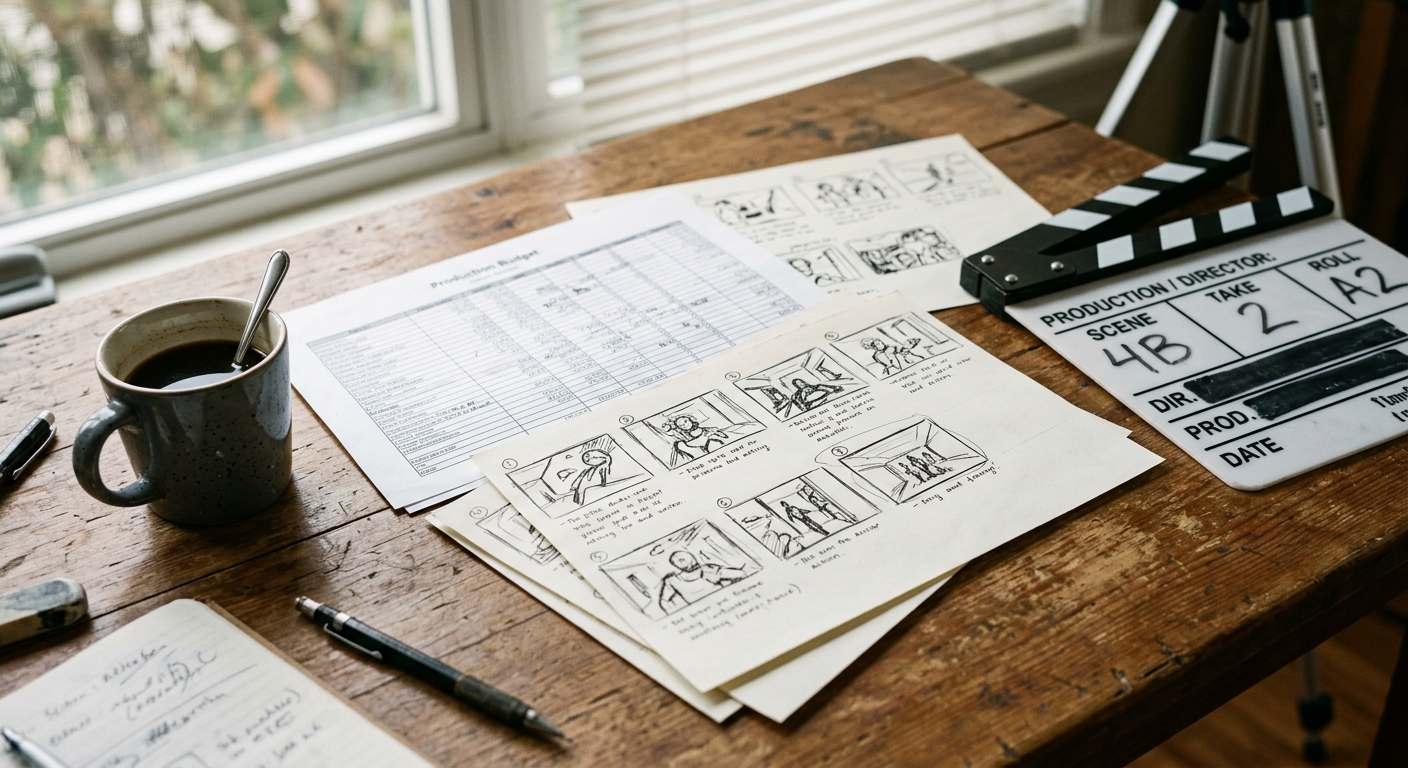
Four line items eat almost every commercial budget: pre-production and creative, the shoot day itself, post-production, and — if you’re running it on broadcast or paid digital — the media buy. Most business owners only think about the shoot, then get sticker shock when the invoice includes editing, color, sound mix, and revisions on top of it.
A locally produced spot for a regional business — think a car dealership, a med spa, a home services company — typically lands between $3,000 and $15,000 all-in for production, before any media spend. National brand spots with union talent, a full crew, and agency oversight routinely run $50,000 to $500,000+. The difference isn’t really the thirty seconds of footage. It’s everything wrapped around it: how many people are on set, how experienced they are, how much gear the concept requires, and how many rounds of revisions get built into the contract.
If you want the fuller picture of how production budgets get built line by line, our guide on how much a corporate video costs walks through the same cost categories in more detail — the logic transfers almost directly to commercial work.
Pre-Production and Creative
This is the part clients underestimate every time. Scripting, storyboarding, location scouting, casting, and scheduling can eat 15-25% of a total budget before a camera ever rolls. Skip it or rush it, and you’ll pay for that mistake on set when the crew is standing around waiting for a decision that should’ve been made two weeks earlier.
The Shoot Day
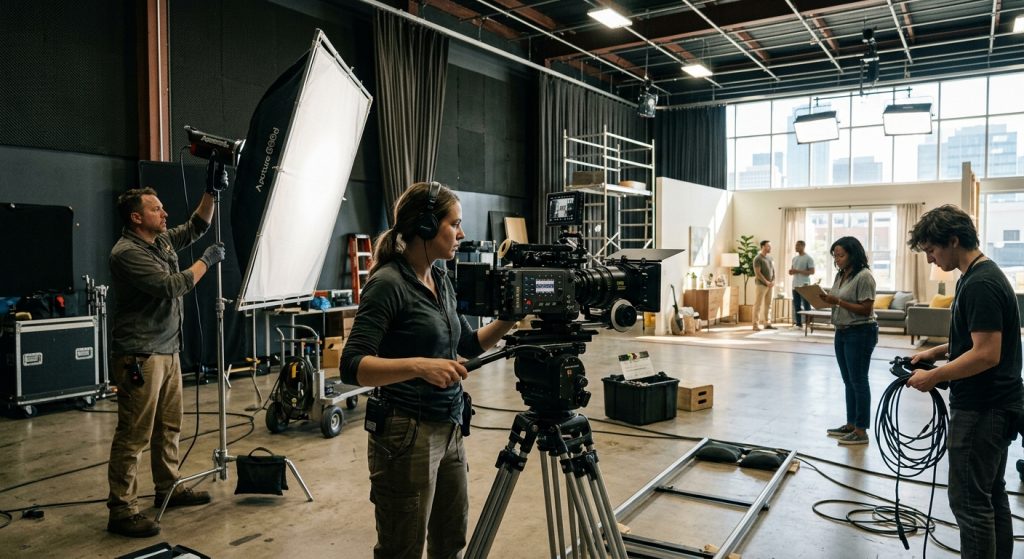
Crew size is the biggest lever here. A lean two-person crew with a producer-director, a camera operator, and rented lighting can shoot a solid local spot for a few thousand dollars a day. Add a full grip and electric team, a dedicated audio person, a gaffer, a wardrobe stylist, and a client-facing producer, and a single day can run $10,000-$25,000 before talent or location fees. If the concept calls for a moving vehicle, a drone, or a controlled studio environment, add more.
Union vs. Non-Union Talent Changes Everything
Nothing swings a 30 second commercial cost faster than the talent line. A non-union local actor might cost $300-$800 for the shoot day with a simple usage buyout. A SAG-AFTRA principal performer in a national commercial comes with session fees, plus residuals every time the spot airs — which can turn a $1,500 talent line into a $20,000+ obligation over a year of rotation. If your spot is only running on your own website and social channels, you almost never need union talent. If it’s going on broadcast TV in multiple markets, budget for it from the start, not as an afterthought.
Local Broadcast vs. National Spots
A lot of business owners conflate “commercial” with “national commercial,” and that’s where the sticker shock comes from. A spot built to run on a local Dallas news affiliate or spectrum cable package has a very different cost ceiling than one built for network rotation. Local spots can lean on simpler production values — a clean location, natural light, one or two setups — because the audience expects that register. National spots need to survive scrutiny at a much higher production polish, which means more crew, more gear, more days, and more post work.
Knowing which category you’re actually in before you request quotes will save you from comparing apples to skyscrapers. Our team put together a deeper breakdown of how to make a commercial stand out without inflating the budget past what the placement actually justifies.
Why Producing in Dallas Keeps Costs Reasonable
Location matters more than people expect. Crews, gear houses, and studio space in Los Angeles or New York carry a premium that doesn’t exist in the same way here. Working with a Dallas video production team means lower day rates on crew, shorter travel logistics, and access to varied locations — downtown skylines, suburban neighborhoods, ranch land, industrial parks — all within an hour of most shoots. That geographic compression alone can shave 20-30% off a comparable production in a coastal market, without touching quality.
It also means faster turnaround on revisions and pickups. When your production company is a drive away instead of a flight away, reshoots and ADR sessions don’t blow up the timeline or the budget the way they can with a remote crew.
Post-Production: The Line Item People Forget
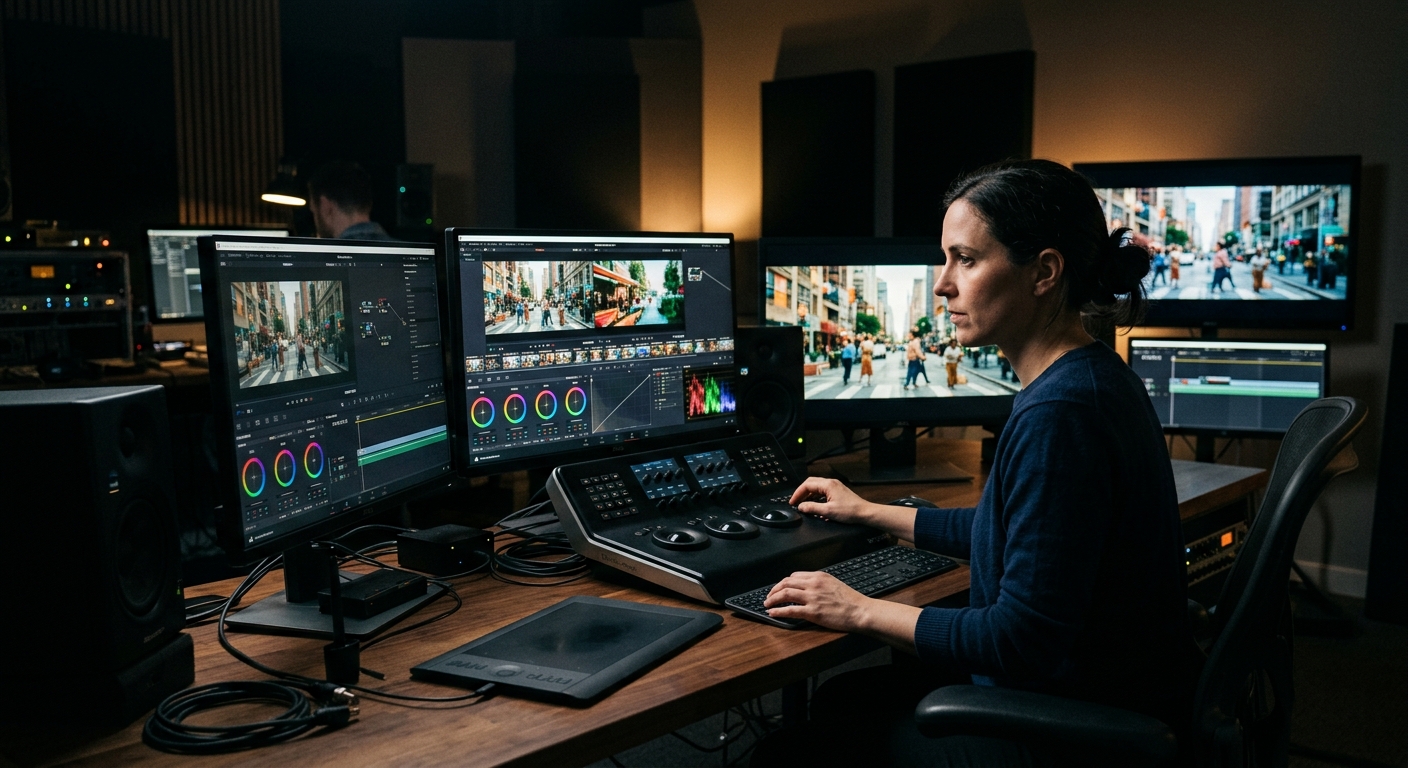
Editing, color grading, sound design, motion graphics, and music licensing all live in post, and a rushed post schedule is one of the most common ways a project goes over budget. Expect post to run anywhere from $1,500 for a straightforward local edit to $15,000+ for a spot with heavy VFX, custom animation, or a licensed music track. Stock music runs a few hundred dollars; a custom composed score or a licensed popular song can run into five figures on its own.
If you’re building a full year-round production budget rather than pricing a single spot, our guide on how to create a production budget is worth reading before you start collecting quotes — it’ll help you separate one-time costs from costs that repeat every time you need new creative.
Ways to Control Your 30 Second Commercial Cost Without Cutting Quality
You don’t have to choose between a professional result and a budget that makes sense for a regional business. A few decisions consistently save money without showing up as a quality drop on screen:
- Shoot multiple spots in one day. If you need a :30 and a :15 cutdown, or three variations for different offers, shoot them together. You pay for the crew day once and get more usable assets out of it.
- Use non-union local talent for digital and local broadcast. Save union talent for genuine national rotation where residuals are actually justified.
- Lock the script before the shoot. Every change on set costs more than the same change on paper. A tight, approved script is the cheapest insurance in the whole process.
- License stock music instead of commissioning a score, unless the brand truly needs a signature sound.
- Work with a production partner who also handles strategy, not just the shoot day — a team that offers full commercial video production services can plan the creative and the budget together instead of handing you a shoot-day estimate that ignores everything else.
Getting an Accurate Quote
When you’re ready to price out your own spot, give any production company the same information every time: where it will air (local, regional, national, digital-only), how many locations and setups the concept requires, whether you need union talent, and how many deliverables you actually need (full :30, cutdowns, social versions). Vague briefs get vague, padded quotes. Specific briefs get accurate ones.
For a closer look at what actually happens during the shoot itself — crew roles, equipment, and how a production day is structured — our piece on video production for commercials covers the process end to end. Between that and the budget breakdown above, you should be able to walk into your next quote request knowing exactly what you’re paying for and why.
The restaurant owner from the start of this article? He went with the $4,500 option — a lean, well-scripted local spot with non-union talent and a two-day post schedule. It ran on cable and his own digital channels for a year and did exactly what he needed it to do. The $85,000 quote wasn’t wrong; it was priced for a job he never had. Match the budget to the placement, and the number stops being scary.
Frequently Asked Questions
What is the average cost of a 30 second commercial?
For a locally produced spot aimed at broadcast or digital, most businesses spend between $3,000 and $15,000 total. National spots with union talent, larger crews, and heavier post-production commonly run $50,000 to $500,000 or more, not counting media placement.
Does the cost of a 30 second commercial include running it on TV?
No. Production cost covers creating the spot itself — pre-production, the shoot, and editing. Media buying, the fee you pay a station or network to air the commercial, is a completely separate cost that gets negotiated based on market, time slot, and frequency.
Why do some 30 second commercials cost ten times more than others?
Crew size, talent type (union vs. non-union), number of locations, equipment needs, and post-production complexity are the biggest factors. A single-location spot with a small crew and stock music costs far less than a multi-location production with union talent, custom VFX, and a licensed soundtrack.
Is it cheaper to produce a commercial in Dallas than in Los Angeles or New York?
Generally yes. Crew day rates, equipment rental, and studio space all carry a premium in coastal media markets. Producing in Dallas typically runs 20-30% less for comparable quality, largely because of lower overhead and shorter travel logistics for crew and locations.
How can I lower my commercial production cost without hurting quality?
Lock your script before the shoot day, batch multiple spots or cutdowns into a single production day, use non-union talent for local or digital-only placements, and license stock music instead of commissioning an original score unless your brand specifically needs one.
