

The cheapest quote on your desk is usually the one that leaves the most out. Most video budgets blow up on the things nobody asked about before signing: a third revision round, a music license, a “rights” clause that quietly keeps your raw footage. The right questions to ask a video production company surface all of that in a single 30-minute call, before a dollar changes hands.
The stakes are real. In Wyzowl’s 2026 State of Video Marketing survey, 82% of marketers said video gave them a good ROI, down from a 2025 peak of 93%. The drop tracks with what we see on set: more businesses are making video, and more of it is made badly. Hiring well is the difference between landing in the 82% or the 18%.
Here are the questions I’d ask if I were on your side of the table, grouped by what they protect.
What questions should I ask about a video production company’s experience?
Ask who they’ve made videos like yours for, and ask to see the specific pieces. A good production company can show you two or three projects close to your format, industry or budget, not just a polished sizzle reel of their best drone shot.
Dig one layer deeper than the reel:
- “What did this video do for the client?” Views are vanity. You want to hear about leads, sales calls booked, or a recruiting pipeline that filled.
- “Who actually shot and edited this?” Reels often show work from people who’ve since left, or from a senior director who won’t touch your project.
- “Can I talk to a client from the last year?” References from five years ago tell you about a different crew.
If you’re shopping locally, a team that knows the area saves real money on travel and permitting. Our Sacramento video production work is a good example of how a regional crew handles location scouting and logistics. For a broader checklist on vetting vendors, see our guide to hiring a reliable video production company.
Who will be on my project, and how does the process work?
Ask for the name of one project manager and a list of the roles on your crew: director, DP, sound, editor. Then ask them to walk you through pre-production, production and post-production in plain language. A company that can’t explain its process in five minutes usually doesn’t have one.
Specifics worth pinning down:
1. Pre-production. Who writes the script and shot list? Do they build a storyboard or at least a written treatment you approve before cameras roll? Strong pre-production is where budgets get protected.
2. Production. Is the crew in-house or hired per job? Either is fine, but you should know. Ask what gear they own versus rent, since rental costs for cinema cameras and lighting packages get passed to you.
3. Post-production. Ask who edits, who color grades and who mixes audio. Our breakdown of the video post-production process shows how many separate steps sit between “we shot it” and “here’s your file.”
Also ask what they need from you. A realistic answer includes a decision-maker who can approve scripts within two or three business days. Slow feedback, not slow editing, is the most common reason projects slip.
How should I ask about video production pricing?
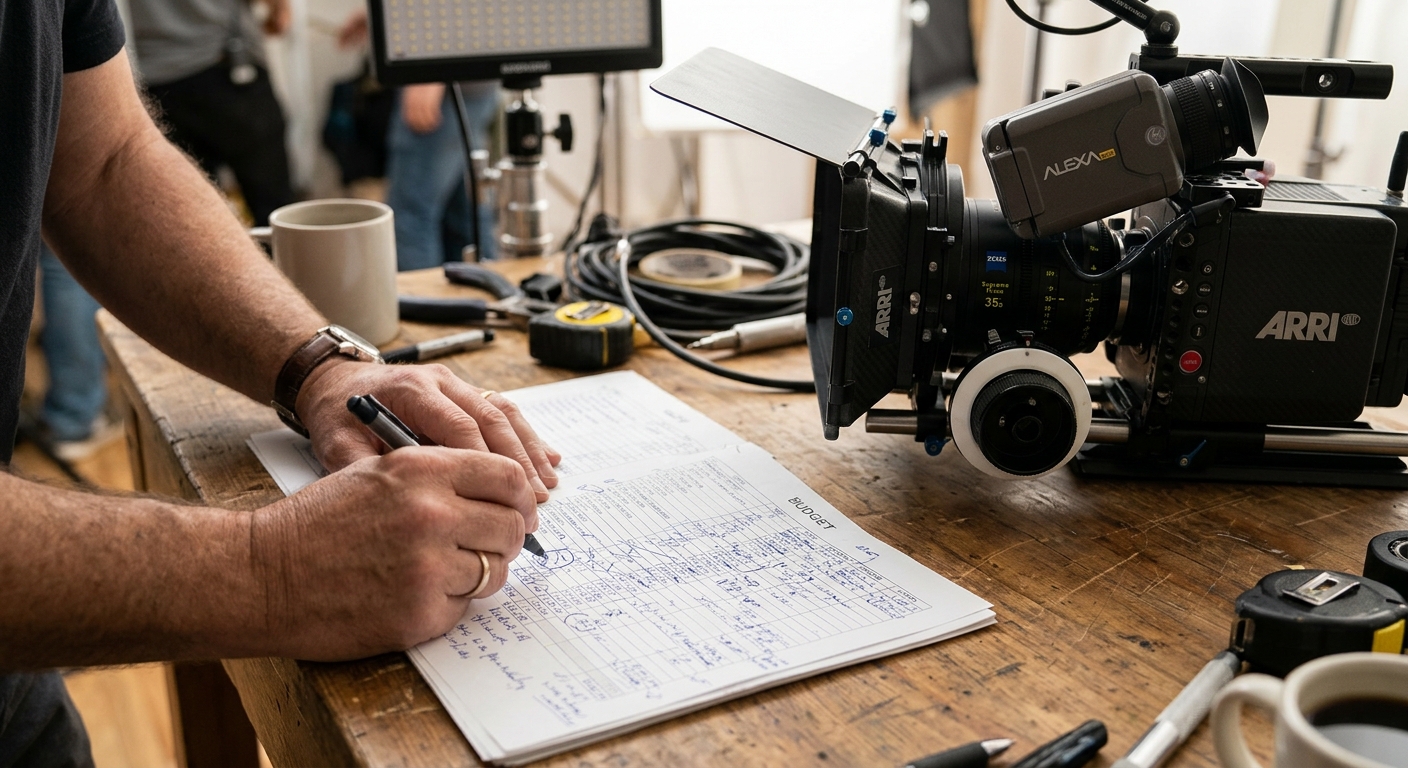
Ask for an itemized quote and ask what it excludes. A 3-camera corporate interview shoot typically runs $3,000-6,000 for a half day, and a fully scripted brand video commonly lands between $10,000 and $50,000 depending on crew size, locations, talent and graphics. A quote that arrives as one lump number tells you nothing.
Go line by line:
- Pre-production time, including scripting and planning calls
- Crew day rates and how many days are budgeted
- Equipment, including lighting, audio, drones, teleprompter
- Talent, casting and wardrobe, if you’re using actors or a voiceover artist
- Music licensing and stock footage
- Travel, permits and location fees
- Motion graphics, captions and subtitles
- Overtime. What happens when the shoot runs 90 minutes long?
Then ask the question that reveals the most: “What typically causes a project like mine to go over budget?” An honest producer will have an answer ready. If they claim nothing ever does, that’s a red flag, not reassurance. Our services page shows how we scope each line item.
What should the revision policy and timeline look like?
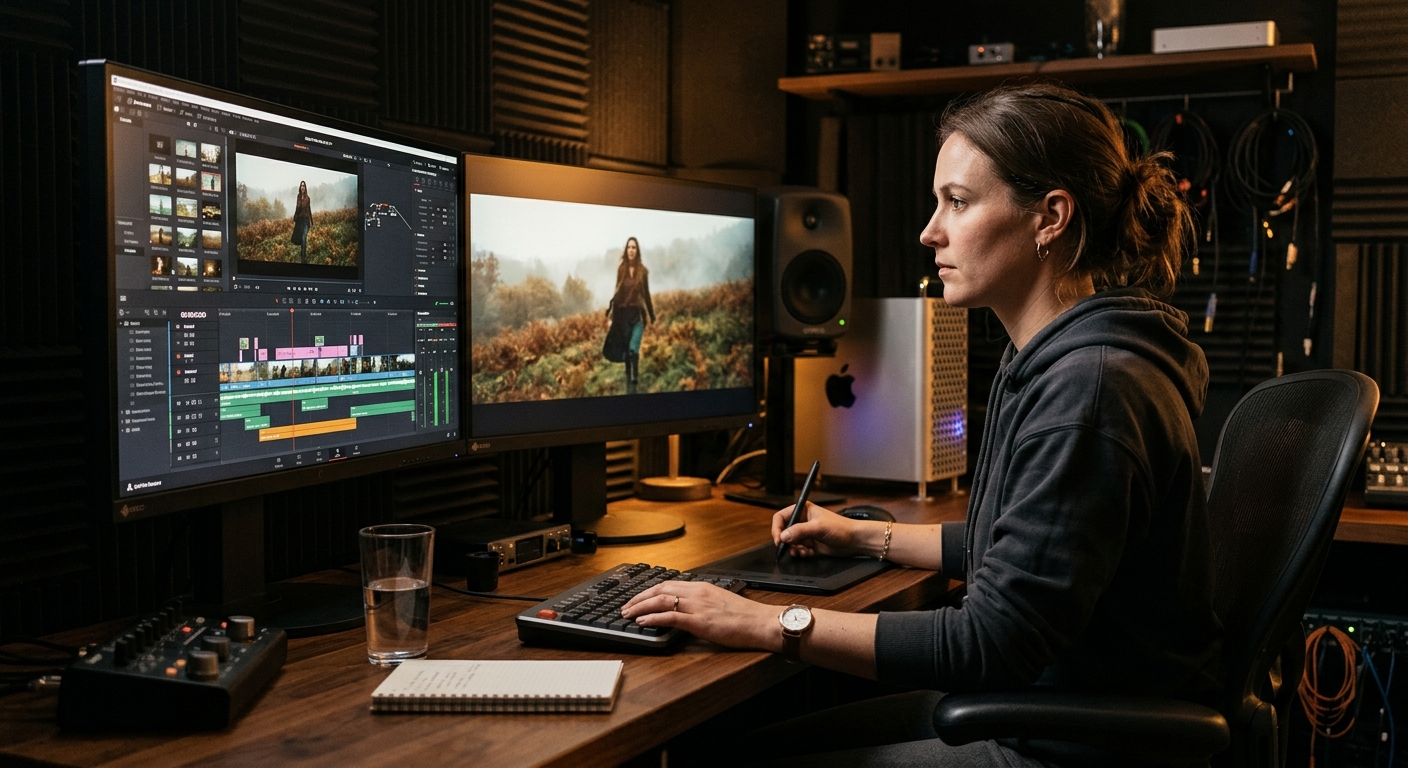
Expect two to three rounds of revisions to be included, with a clear turnaround for each. Anything labeled “unlimited” deserves a follow-up question about what happens when the project drags on, because unlimited usually comes with a clause that ends it at 30 or 60 days.
Ask these directly:
- How many feedback rounds are in the price, and what does a fourth round cost?
- Is a “round” one consolidated list of notes, or can notes trickle in?
- How long from shoot day to first cut? A typical marketing video takes four to eight weeks from kickoff to delivery, with the first edit arriving one to two weeks after the shoot.
- What deadlines would you need from us to hit my launch date?
Tell them your hard date up front, and ask them to work backward from it. If you’re making an interview-driven piece, look at how a corporate interview video gets structured so you know what to approve at each stage.
Who owns the footage, and what rights do I get?
You should get a license to use the final video anywhere, indefinitely, for your business. Raw footage, project files and unused takes often stay with the production company unless the contract says otherwise, so ask in writing who owns what.
Specific questions:
- Final video: Do we own it outright, or license it? For how long, and on which platforms?
- Raw footage and project files: Can we get them, and is there a fee?
- Music and stock: Is the license limited to web, or does it cover paid ads and broadcast?
- Talent releases: Are signed releases in hand for everyone on camera?
- Insurance: Do they carry general liability and workers’ comp, and can they send a certificate to your venue?
Music is the most common trap. A track licensed for organic social posts can legally be pulled the day you put ad spend behind the video.
What deliverables should be in the contract?
Ask for the exact list of files and formats, and get them in the contract. A single “final video” is rarely enough once you’re posting to a website, LinkedIn, Instagram and a trade-show screen.
A solid deliverables list includes:
- The master file in the original aspect ratio (usually 16:9, 4K or 1080p)
- Cutdowns for social, such as 30-second, 15-second and vertical 9:16 versions
- Captioned versions and a separate SRT file, since most social video is watched on mute
- A thumbnail still
- Optional: clean versions without graphics for later reuse
Ask who handles distribution and optimization too. Some companies stop at delivery; others will help with titles, descriptions and platform specs. Our full-service production scope runs from concept through final delivery, which is the kind of scope list you should expect from any vendor.
What red flags should I watch for?
The biggest red flags are vague answers, pressure to sign quickly, and refusal to put anything in writing. If a company can’t name its crew, won’t share references, or dodges revision and ownership questions, walk away no matter how good the reel looks.
Others I’d treat as warning signs:
- A quote that’s 40% below every other bid, with no explanation
- No written contract or statement of work
- A portfolio with nothing recent, or nothing like your project
- A “partner” who disappears between the deposit and the first draft
Chemistry matters as well. You’ll spend long days together, and the producer should challenge your ideas with a reason, not just say yes. If the first call feels like a sales script, the production will too.
Frequently Asked Questions
What are the most important questions to ask a video production company?
Ask who will work on your project, what comparable videos they’ve made, what the quote includes and excludes, how many revision rounds are included, and who owns the footage. Those five questions expose most budget, quality and ownership problems before you sign anything.
How much does it cost to hire a video production company?
A 3-camera corporate interview shoot typically costs $3,000-6,000, and a scripted brand video usually runs $10,000-50,000 depending on crew, locations, talent and graphics. Always request an itemized quote so you can see what’s included, such as music licensing, travel and revisions.
How many revisions should a video production company include?
Two to three revision rounds is the standard for most production companies. Confirm in writing what counts as a round, how fast each round is turned around, and what a fourth round costs. Be cautious of ‘unlimited’ revisions without a time limit on the project.
Who owns the video after a production company finishes it?
Clients typically receive a license to use the final video, often indefinitely, while raw footage and project files usually stay with the production company unless the contract assigns them. Ask for ownership and usage terms in writing, including which platforms and ad uses are covered.
How long does it take to produce a marketing video?
Most marketing videos take four to eight weeks from kickoff to final delivery, with the first edit usually arriving one to two weeks after the shoot. Simple interview pieces can move faster, while projects with scripting, talent or animation take longer.
